Best Cut Of Steak For Grilling Ribeye vs NY Strip vs T-Bone
.
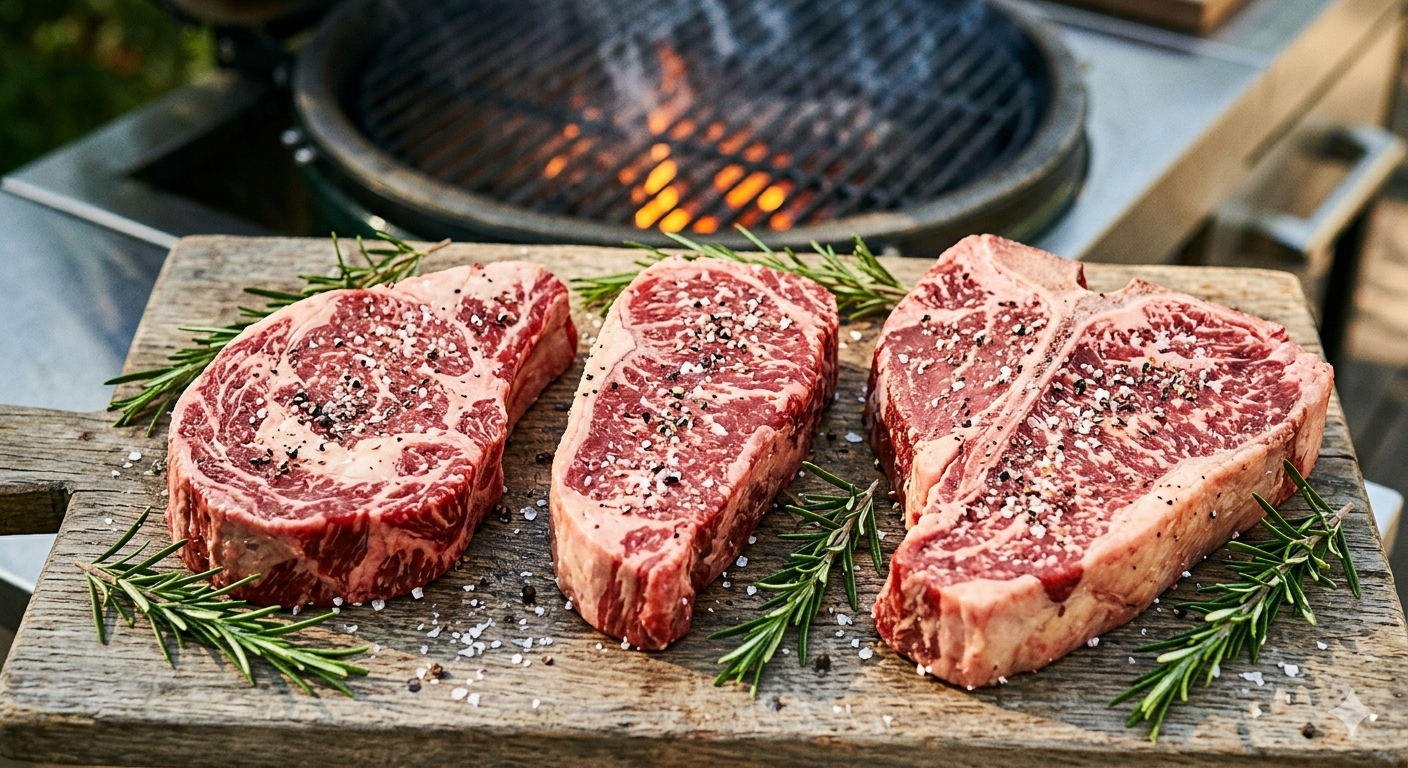
The selection of the ideal beef cut for high-velocity thermal processing involves a systematic analysis of intramuscular lipid distribution, muscle fiber density, and skeletal integration. This professional comparison evaluates the three primary candidates for grilling—the Ribeye, the New York Strip, and the T-Bone—to determine the optimal protein configuration .
Structural Composition and Lipid Dynamics
The success of a grilled steak relies on the strategic interaction between muscle tissue and adipose layers during conductive and convective heat transfer.
- Ribeye Infrastructure: This cut is characterized by a high-density matrix of intramuscular fat, known as marbling. The presence of the spinalis dorsi (ribeye cap) provides a significant lipid threshold that melts during thermal processing, resulting in maximum palate saturation and a glistening aesthetic.
- New York Strip Configuration: Extracted from the longissimus dorsi muscle, the NY Strip features a tighter grain and a distinctive lateral fat cap. This architectural build offers a more resilient mechanical resistance compared to the Ribeye while maintaining a robust savory profile.
- T-Bone Hybrid Assembly: This cut functions as a dual-protein system, incorporating both the NY Strip and the Filet Mignon separated by a central lumbar vertebrae. This configuration facilitates a heterogeneous sensory experience, balancing high-density flavor with extreme tenderness.
Technical Fulfillment and Thermal Protocols
Achieving professional-grade results across these varied protein structures requires specific management of the Maillard reaction and internal thermal thresholds.
| Cut | Primary Attribute | Thermal Strategy |
| Ribeye | High Lipid Saturation | High-heat searing to render intramuscular fat and develop a complex savory crust. |
| NY Strip | Mechanical Texture | Precise conductive heating to reach a specific internal temperature while preserving the lateral fat cap. |
| T-Bone | Structural Diversity | Careful positioning on the grill to manage the different thermal coagulation rates of the two distinct muscle groups. |
Systematic Evaluation for Grilling Efficiency
Determining the “best” cut requires a streamlined assessment of the intended culinary outcome and production goals.
The Ribeye: Maximum Satiety Threshold
The Ribeye is engineered for those prioritizing flavor density. The high concentration of internal lipids functions as a natural thermal buffer, making it the most forgiving cut during high-heat processing. This structural resilience ensures a succulent result even when subjected to minor thermal fluctuations.
The New York Strip: Consistent Professionalism
The NY Strip is the ideal selection for a balanced mechanical snap and a clean beef flavor. Its uniform shape facilitates consistent heat penetration, making it a high-utility candidate for systematic kitchen management and standardized plating.
The T-Bone: Architectural Complexity
The T-Bone represents a high-impact visual subject. The presence of the bone facilitates conductive heat transfer to the surrounding muscle and provides essential mineral notes. However, the dual-muscle assembly requires a high level of technical competence to prevent the over-coagulation of the tenderloin side.
Detailed Comparative Analysis of Muscle Fiber and Tenderness
To understand why these cuts behave differently under thermal stress, one must examine the physiological role of the muscles in the animal.
- Muscle Utilization: All three cuts originate from the longissimus and psoas groups, which are non-weight-bearing muscles. This lack of daily mechanical use results in lower connective tissue development, ensuring a tender internal crumb.
- Intramuscular Lipid Matrix (Marbling): The Ribeye typically exhibits the highest degree of marbling. During the grilling process, these lipids undergo a phase transition from solid to liquid, lubricating the muscle fibers and enhancing the perceived succulence of the protein.
- Enzymatic Aging Protocols: Professional-grade steaks often undergo dry-aging or wet-aging cycles. Dry-aging facilitates enzymatic breakdown of proteins and moisture evaporation, concentrating the flavor thresholds and creating a unique, nutty aromatic profile.
Thermal Gradient Management
The physics of grilling requires a focus on the thermal gradient—the difference in temperature between the exterior surface and the internal core.
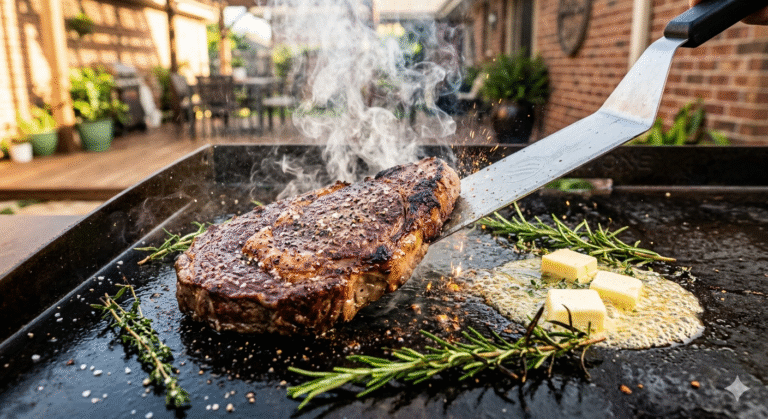
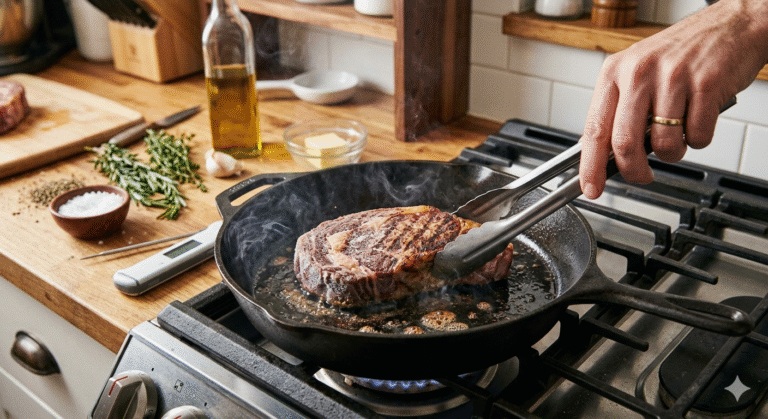
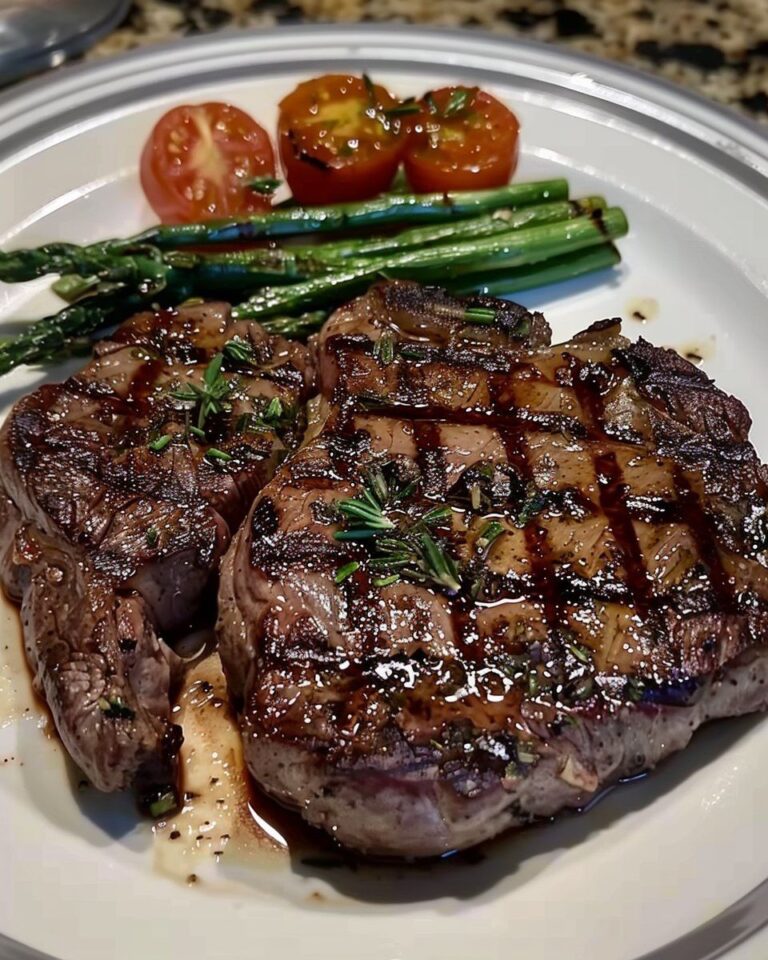
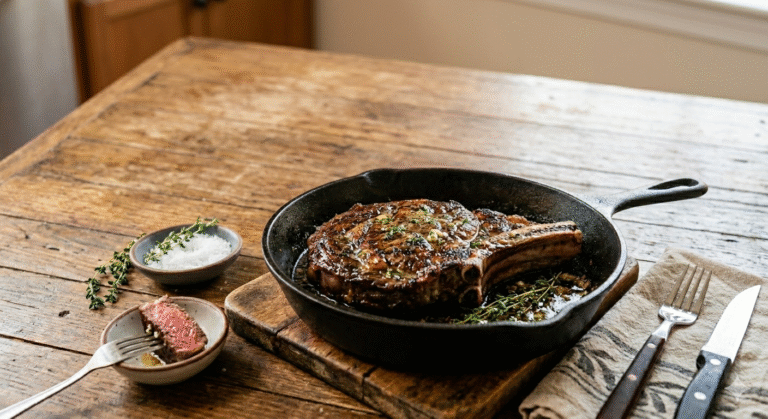
- Searing and the Maillard Reaction: Applying the steak to a high-temperature conductive surface (the grill grate) initiates the Maillard reaction between amino acids and reducing sugars. This creates the complex, savory brown crust seen in image
- Internal Coagulation Thresholds: For maximum utility, steaks should be monitored using a digital thermal probe to reach specific internal targets:
- Rare: 50°C to 52°C
- Medium-Rare: 54°C to 57°C
- Medium: 60°C to 63°C
- The Resting Phase: Post-thermal stabilization is a mechanical necessity. Allowing the steak to rest for a period equivalent to half its cooking time facilitates the redistribution of internal fluids, ensuring the moisture is retained within the muscle fibers during the final mechanical slicing.
Regional Variations and Sourcing Infrastructure
The quality of the final grilled product is also dependent on the sourcing and grading infrastructure.
- Grading Standards: Top-tier steaks are often categorized by lipid density (e.g., Prime, Choice, Select). Prime cuts offer the highest marbling, ideal for the Ribeye’s high-lipid profile.
- Dietary Influences: Grass-fed vs. grain-finished cattle provide different flavor foundations. Grain-finished cattle typically produce higher intramuscular fat, while grass-fed units offer a leaner, more mineral-forward profile.