The Science of the Sizzle: Mastering the Ultimate Chicken Marinade for Grilling
Grilling is an elemental culinary art form that relies on the marriage of high heat, smoke, and seasoning. However, when it comes to poultry—specifically lean cuts like breasts or even robust thighs—the grill can be a punishing environment. Without proper preparation, the intense dry heat of a charcoal or gas flame can quickly evaporate moisture, leaving behind a dry and lackluster meal. This is where the science of the marinade becomes essential. A well-constructed marinade does more than just sit on the surface of the meat; it works on a molecular level to tenderize fibers, infuse deep flavor, and create a protective barrier that ensures a juicy, charred finish every time.
The Four Pillars of a Perfect Grilling Marinade
To understand how to build a world-class marinade, one must look at the specific chemical roles played by various ingredients. A balanced marinade for grilling must contain four key components: acid, fat, sweetness, and aromatics.
1. The Acid: The Tenderizer
Acids are responsible for breaking down the tough protein chains on the surface of the chicken. This process, known as denaturation, allows flavors to penetrate more deeply and results in a more tender bite.
- Apple Cider Vinegar: A staple in American grilling traditions, it provides a sharp, tangy bite and contains natural enzymes that assist in softening the meat.
- Lemon Juice: Offers a bright, citrusy lift that is essential for cutting through the richness of chicken fat.
- Balsamic or Red Wine Vinegar: Adds a darker, more complex sweetness and a rich color to the final char.
2. The Fat: The Heat Conductor
Oil is the vehicle that carries fat-soluble flavors (like those in garlic and dried herbs) into the meat. Furthermore, oil protects the chicken from sticking to the grill grates and helps conduct heat evenly across the surface.
- Extra Virgin Olive Oil: Ideal for Mediterranean-style preparations.
- Avocado or Grapeseed Oil: Better for high-heat grilling due to their high smoke points.
3. The Sweetness: The Caramelizer
Sugar is the engine behind the Maillard reaction—the chemical reaction between amino acids and reducing sugars that gives browned food its distinctive flavor and deep mahogany color.
- Brown Sugar: Contains molasses, which adds a smoky depth and helps create a thick, lacquered crust.
- Honey or Maple Syrup: Provides a floral sweetness and sticks well to the meat during the flipping process.
4. The Aromatics and Umami: The Flavor Profile
This is where the character of the marinade is defined. Umami-rich liquids and pungent aromatics create the “craveable” quality of professional barbecue.
- Worcestershire Sauce: A powerhouse of umami, containing fermented anchovies, tamarind, and molasses. It provides a savory backbone that is difficult to replicate with salt alone.
- Dijon Mustard: Acts as an emulsifier, helping the oil and acid stay bonded together. It also adds a sophisticated peppery heat.
- Garlic and Fresh Herbs: Freshly minced garlic, thyme, and parsley provide the aromatic top notes that define “American-style” grilling.
The Signature “All-American” Grilling Marinade
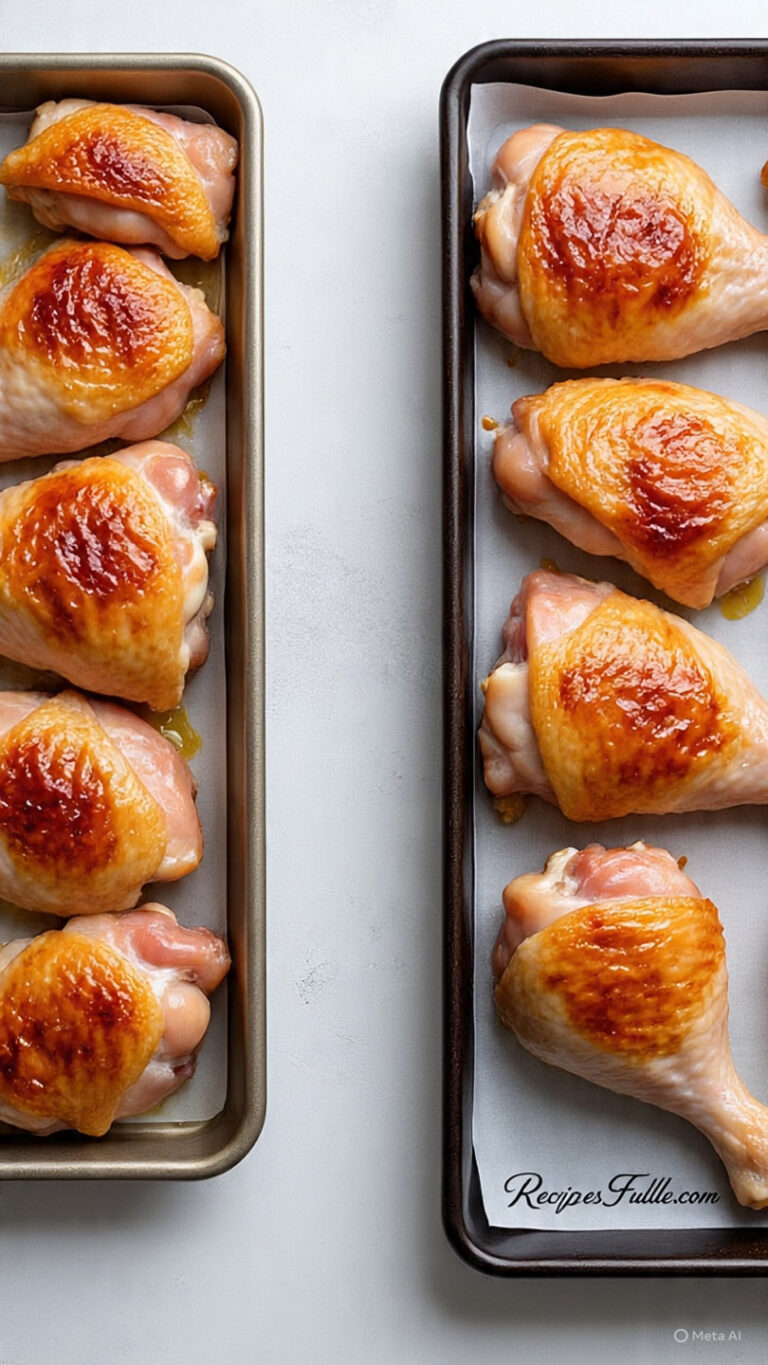
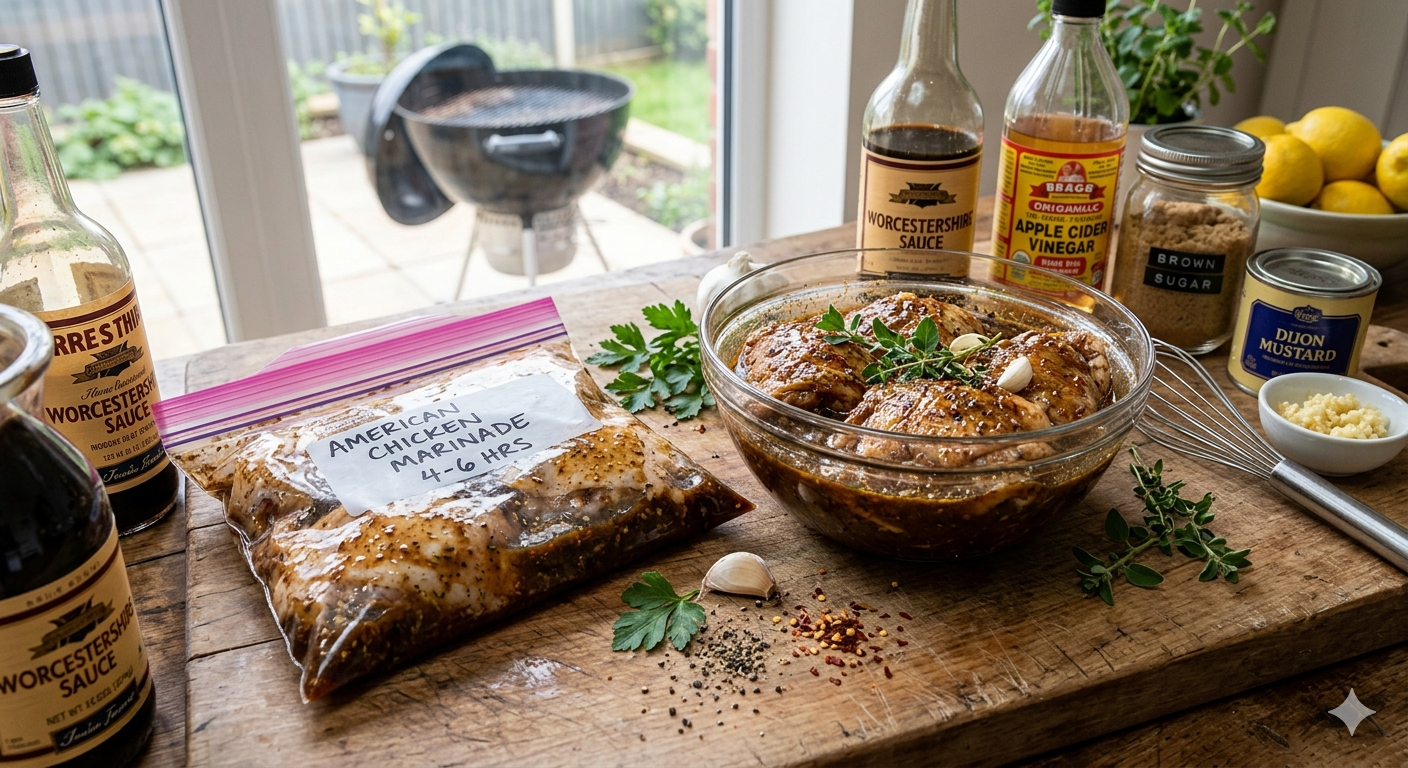
This specific recipe is designed for maximum versatility, working equally well for boneless breasts, bone-in thighs, or drumsticks. It utilizes the ingredients visible in the preparation process of CHICKEN BREAST.jpg.
Ingredients List
- Base: 1/2 cup Apple Cider Vinegar and 1/2 cup Extra Virgin Olive Oil.
- Umami: 1/4 cup Worcestershire Sauce.
- Sweetener: 1/3 cup Packed Brown Sugar.
- Aromatics: 2 tbsp Dijon Mustard, 4 cloves of Minced Garlic, 1 tsp Red Pepper Flakes, and 1 tsp Coarse Black Pepper.
- Herbs: 2 tbsp Freshly chopped Parsley and 1 tbsp Fresh Thyme leaves.
Instructions for Preparation
- Whisk: In a large glass bowl, combine the mustard, brown sugar, garlic, and spices. Slowly whisk in the vinegar and Worcestershire sauce until the sugar is dissolved.
- Emulsify: Gradually stream in the olive oil while whisking constantly. This creates a thick, cohesive marinade that will cling to the chicken rather than dripping off.
- The Bag Method: For the most efficient flavor penetration, use a heavy-duty resealable plastic bag as seen in CHICKEN BREAST.jpg. Label the bag with the date and the intended marinating time.
- Submerge: Add the chicken pieces to the bag, press out all the air, and seal. Massage the bag to ensure every inch of the meat is coated.
Time Management: The “4-6 Hour” Rule
As noted in the reference CHICKEN BREAST.jpg, the optimal window for marinating chicken is between 4 and 6 hours. While it may be tempting to marinate overnight, doing so can actually be counterproductive.
- Under 2 Hours: The marinade functions mostly as a surface glaze. While the flavor will be present, the tenderizing effects of the acid won’t have reached the inner fibers.
- 4-6 Hours (The Sweet Spot): The acid has had enough time to break down surface proteins, and the salt has traveled into the meat via osmosis, seasoning it from the inside out.
- Over 12 Hours: Excessive exposure to acid will eventually turn the texture of the chicken “mushy” or chalky. The proteins break down too much, losing their pleasant “snap” when bitten.
Grilling Technique for Marinated Chicken
Once the marinating is complete, the way you handle the heat will determine the success of the dish.
1. Temperature Tempering
Never take chicken directly from the cold refrigerator to a scorching hot grill. Let the marinated chicken sit at room temperature for about 20 minutes. This ensures the meat cooks evenly and prevents the exterior from burning before the interior is safe to eat.
2. Managing the Sugar
Because this marinade contains brown sugar and Worcestershire sauce, it is prone to burning if left over a direct flame for too long.
- Two-Zone Grilling: Set up your grill with a hot side (direct heat) and a cooler side (indirect heat).
- The Sear: Start the chicken on the hot side for 3-4 minutes per side to develop the char and “set” the marinade.
- The Finish: Move the chicken to the cooler side, close the lid, and let it reach an internal temperature of 165°F for breasts or 175°F for thighs.
3. Safety First
Discard any marinade that has come into contact with raw chicken. If you wish to use the marinade as a basting sauce or a dip, you must set aside a portion of the “clean” marinade before adding the raw meat. Alternatively, you can boil the used marinade in a small saucepan for at least five minutes to kill any bacteria.
Conclusion
The art of the grill is perfected in the details. By utilizing a balanced blend of apple cider vinegar, Worcestershire sauce, and fresh aromatics, you elevate a simple protein into a gourmet experience. Whether you are preparing a quick weeknight dinner or hosting a backyard gathering, understanding the chemistry behind the ingredients in CHICKEN BREAST ensures that your chicken is consistently tender, vibrantly flavored, and perfectly charred.