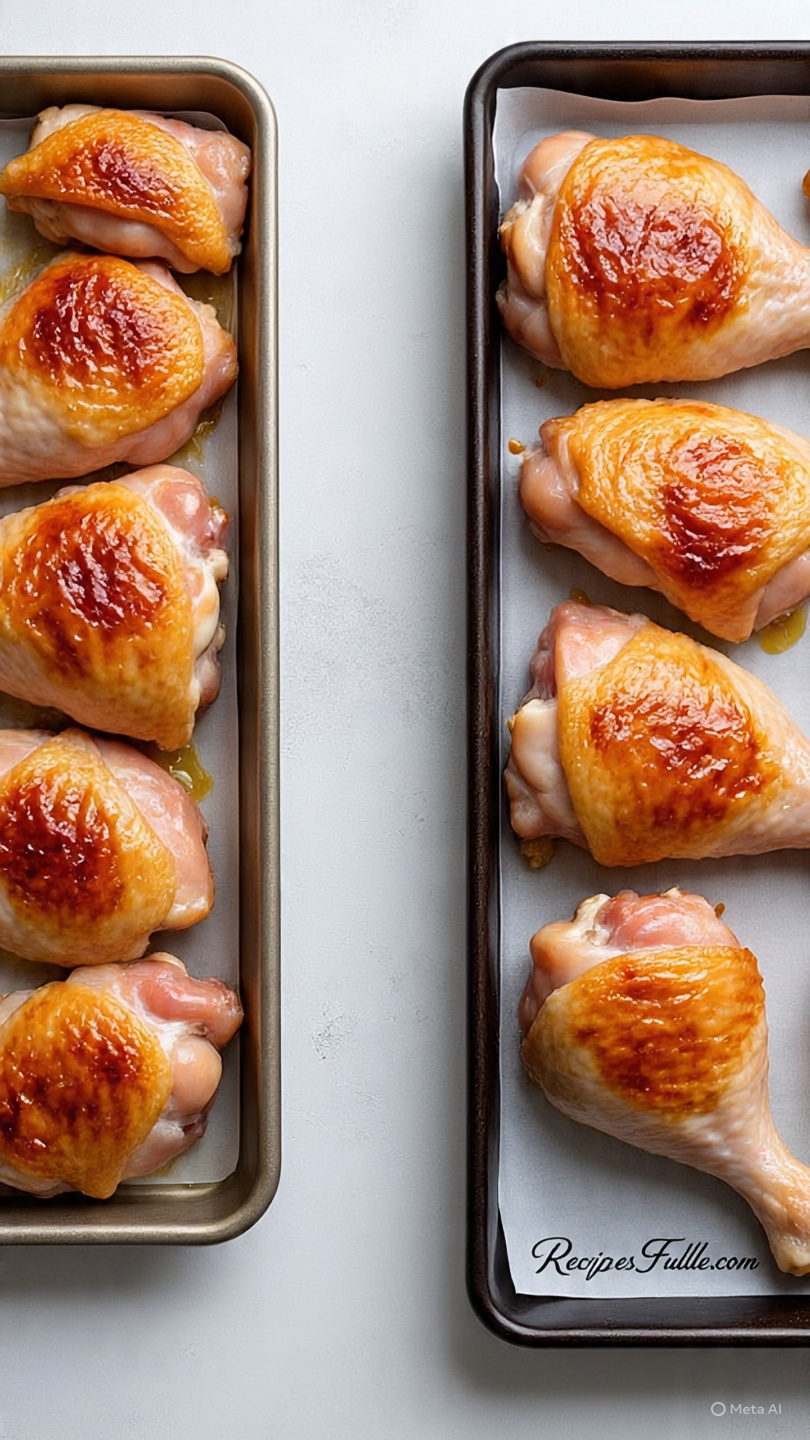
Why is my chicken skin not crispy?
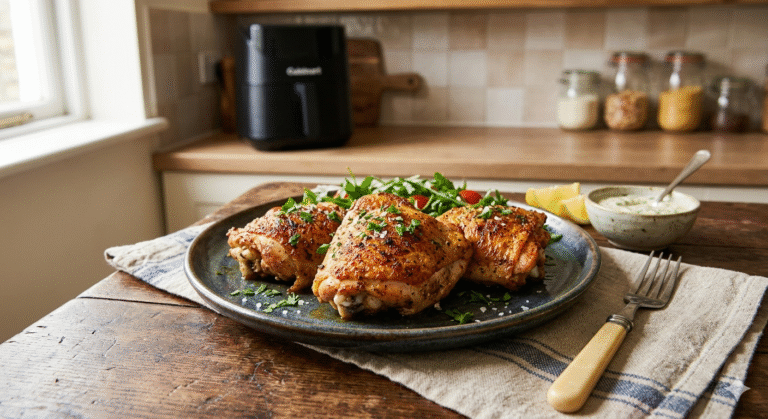
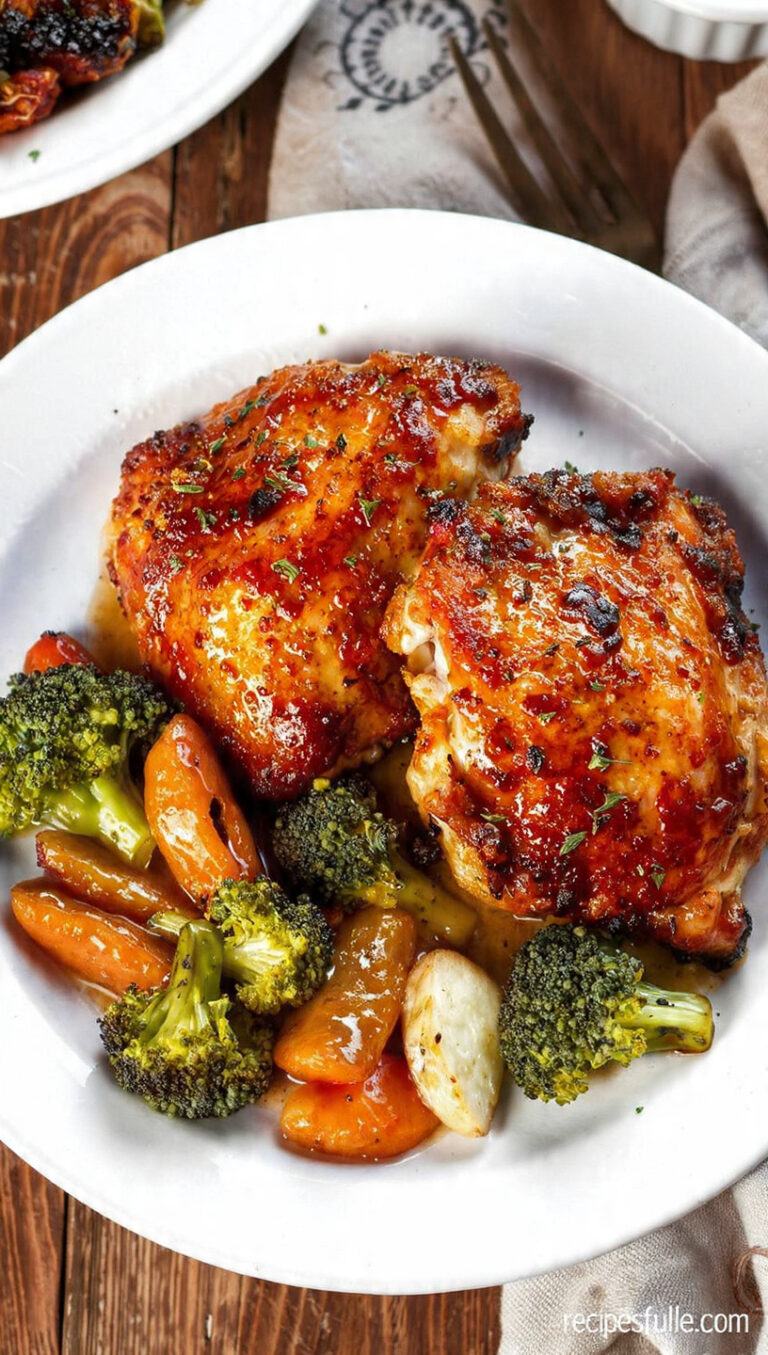
To get that shatteringly crisp, golden-brown chicken skin, you have to manage two main factors: moisture and heat. If the skin is rubbery or soggy, it’s usually because water is being trapped or the fat isn’t rendering fast enough.
The Top 3 Culprits
1. Excess Surface Moisture
This is the most common mistake. If the chicken skin is wet when it hits the heat, that moisture must evaporate before the browning process (Maillard reaction) can even begin. Effectively, you end up steaming the skin rather than frying it in its own fat.
2. Overcrowding the Pan
When you place too many pieces of chicken in a pan or on a baking sheet, the air cannot circulate properly. The steam released from the meat gets trapped between the pieces, leading to soggy skin.
3. Low Cooking Temperature
Rendering fat takes heat. If your oven or pan temperature is too low, the fat stays trapped under the skin, making it rubbery. You need a high enough temperature to render that fat out so the skin can “fry” and become thin and crisp.
How to Guarantee Crispy Skin
1.Dry the skin thoroughly:The most important step.
Use paper towels to pat the chicken completely dry. For even better results, salt the chicken and leave it uncovered in the fridge for 4–24 hours. This “dry brining” dehydrates the skin perfectly.
2.Give it space:Avoid the steam trap.
Arrange the chicken on a wire rack set over a baking sheet. This allows hot air to reach the bottom of the chicken, ensuring the skin crisps all the way around.
3.Start high, then stabilize:425°F (218°C) is the sweet spot.
High heat is essential for the initial render. If roasting, start at 425°F. If pan-searing, start skin-side down in a cold pan and gradually raise the heat to render the fat slowly without burning the surface.
4.Use a light coating of oil or fat:Enhance heat transfer.
A very thin layer of oil or melted butter helps conduct heat evenly across the skin’s surface, filling in the microscopic gaps and ensuring an even, golden-brown finish.
Pro Tip: Adding a tiny pinch of baking powder (not baking soda) to your salt rub breaks down the proteins in the skin and creates tiny bubbles that increase surface area, leading to an extra-crunchy texture.