Best Way to Cook Steak on the Stove
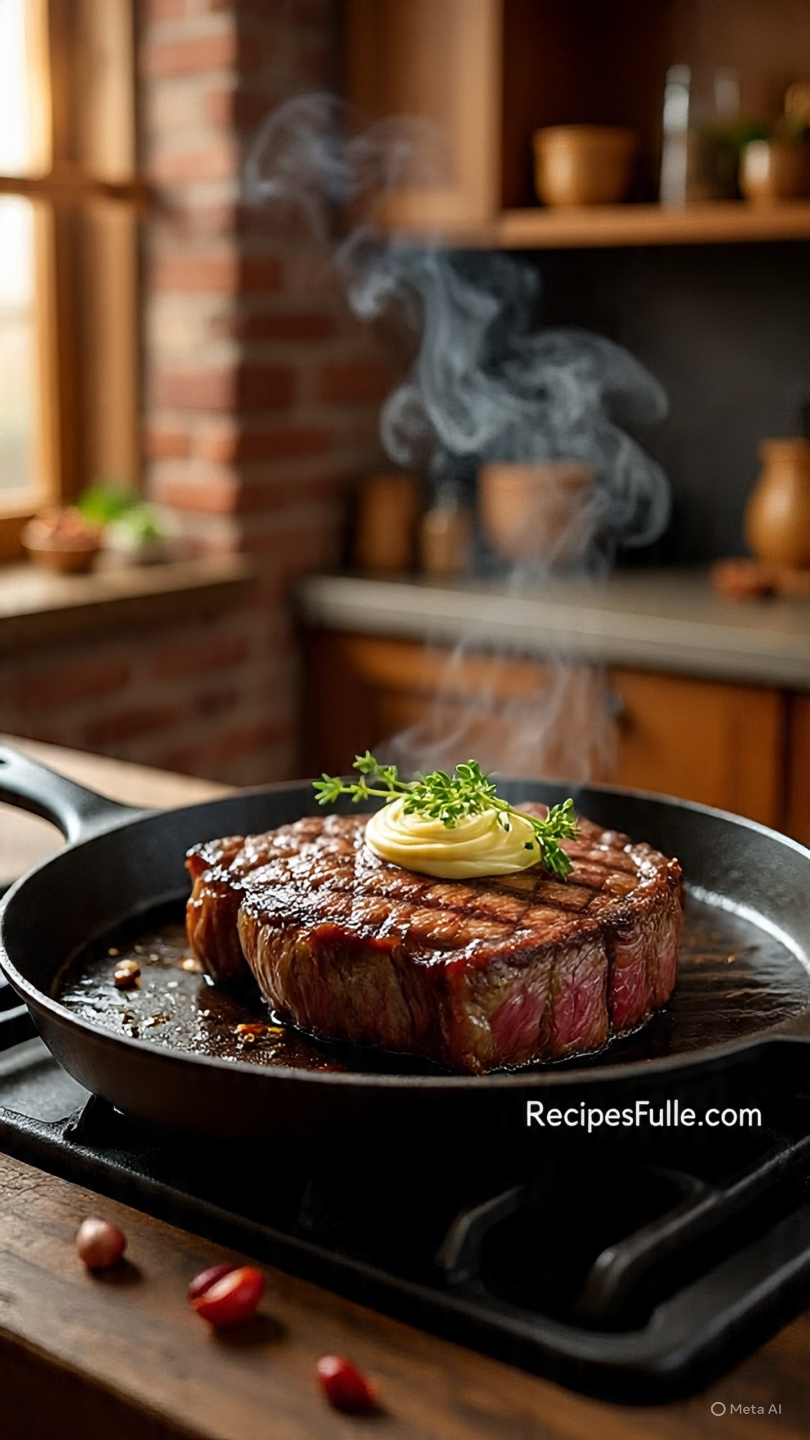
The best way to cook a steak on the stove is through a process called butter-basting. This technique combines a high-heat sear for the Maillard reaction (flavor crust) with a gentle finish in aromatic butter to ensure the interior stays tender and juicy.
The Essentials
- The Pan: Cast iron is king. Its high thermal mass prevents the temperature from dropping when the meat hits the surface, ensuring a continuous sear.
- The Cut: Look for steaks at least 1.5 inches thick (like a Ribeye or New York Strip). Thinner steaks often overcook in the middle before a crust can form.
- The Prep: Remove the steak from the fridge 30–45 minutes before cooking. Cold meat causes muscle fibers to tense up, leading to a tougher result.
The Method
1.Dry and Season:Crucial for the crust.
Pat the steak bone-dry with paper towels. Moisture creates steam, which prevents browning. Season aggressively with Kosher salt and cracked black pepper on all sides, including the edges.
2.The Initial Sear:High heat, 2-3 minutes.
Heat 2 tbsp of high-smoke-point oil (like avocado or grapeseed) until it just begins to shimmer. Carefully lay the steak in the pan away from you. Sear undisturbed for 2–3 minutes until a deep brown crust forms.
3.The Flip and Baste:Medium heat, 3-4 minutes.
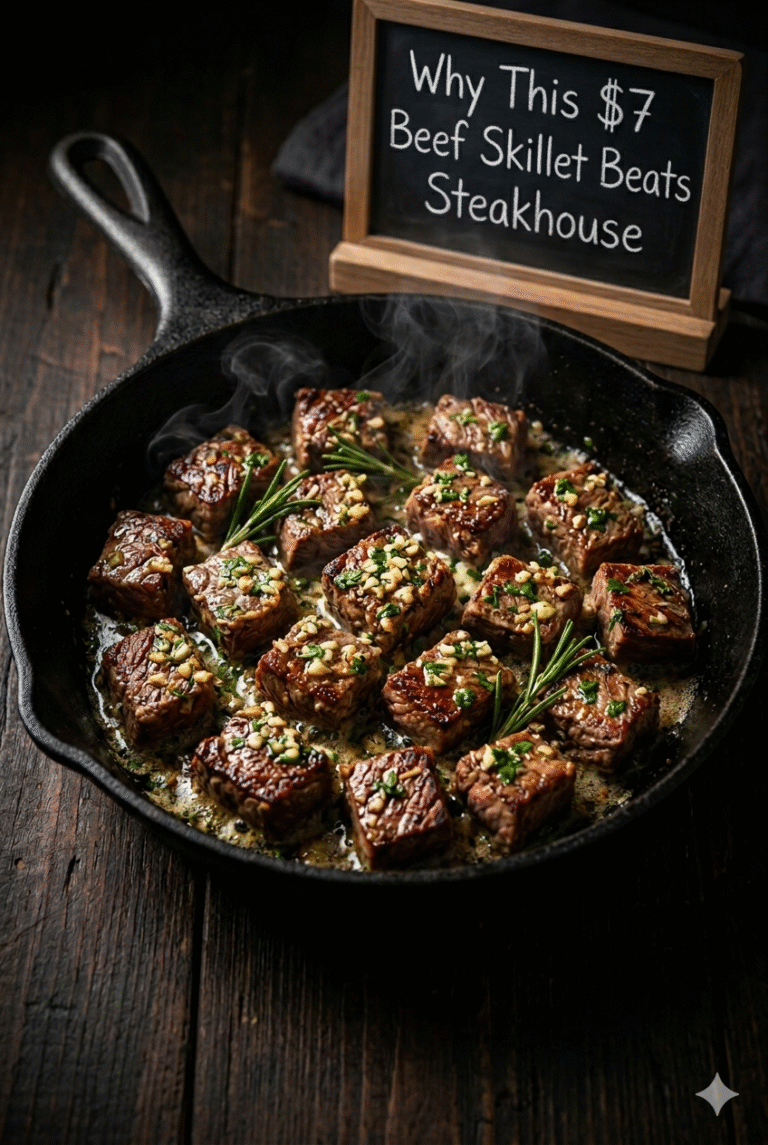
Flip the steak. Immediately drop in 3 tbsp unsalted butter, 3 crushed garlic cloves, and a sprig of fresh rosemary. Tilt the pan so the butter pools with the aromatics and spoon it continuously over the steak.
4.The Rest:10 minutes.
Remove the steak at 130°F (54°C) for medium-rare. Place it on a warm plate and pour the pan juices over it. Do not cut it yet. Resting allows the muscle fibers to relax and reabsorb the juices.
Target Temperatures
| Doneness | Pull Temp (F) | Final Temp (F) |
| Rare | 120°F | 125°F |
| Medium-Rare | 130°F | 135°F |
| Medium | 140°F | 145°F |
| Medium-Well | 150°F | 155°F |
Pro Tip: If your steak has a thick strip of fat on the side (like a NY Strip), use tongs to hold it upright against the pan for 60 seconds at the start. This “renders” the fat, making it crispy and delicious rather than chewy.